Window and door caulking, exterior sealant, tub and shower re-caulking, and new weatherstripping and door sweeps — done properly by builder-trained technicians at flat rates from $150. Stop the drafts before the deep freeze.
BuildMan provides caulking and weatherstripping services across Toronto and the GTA: interior and exterior window caulking, door caulking, tub and shower re-caulking, new weatherstripping and door sweeps. Old caulk is removed first and each joint gets the right sealant. Labour is a flat $150 for up to one hour, $280 for two or $410 for three, materials at cost, no trip charge. Call (905) 660-9992 to book.
Most winter drafts come through two places: the fixed joints around windows and doors, which need caulking, and the moving edges of doors and sashes, which need weatherstripping. We do both in one visit, with the right sealant for each joint and every old bead removed first — not smeared over.
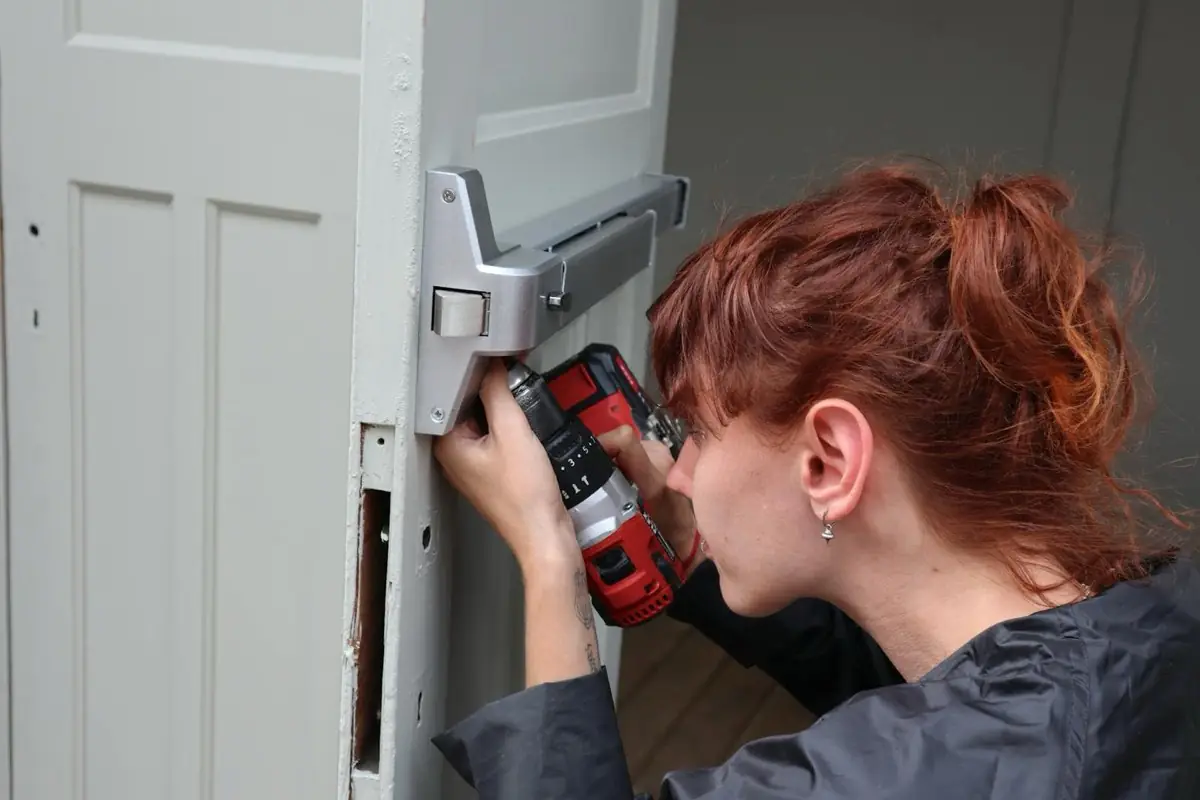
A caulk bead looks simple, but most of the ones we replace failed for the same few reasons: new caulk was run over old cracked caulk, the wrong product was used for the joint, or a wide gap was filled with sealant alone so it tore as the house moved. A caulking company that only fills gaps leaves you doing it again next year. Our technicians are trained by home builders, so we treat each joint by what it has to do.
We cut out failed caulk completely, clean and dry the joint, and use foam backer rod where a gap is too wide or deep to fill with sealant alone. Then we tool a neat, continuous bead. One detail matters on brick homes: the small weep holes at the bottom of a window or in the brick are there to let water out, so we seal around them, never over them.
Caulk is for joints that don't move — a window frame against the brick, trim against the wall. Weatherstripping is for parts that open and close — the edges of a door slab, a sliding sash, the gap under a door. A drafty door almost always needs new weatherstripping and a door sweep, not more caulk. We check both and fix whichever one is actually letting the cold in, which is why weatherstripping installation and window caulking are usually booked together.
Most exterior sealants list a minimum application temperature on the label, often around 4–5°C, and the surface has to be dry and frost-free. On cold days we focus on the work that isn't temperature-sensitive — interior caulking, weatherstripping and door sweeps — and schedule exterior caulking for milder, dry days or use a sealant rated for colder application. We'll tell you plainly what can be done well on the day, rather than caulk a frosty frame that won't hold.
Pricing is the same flat rate we charge across Toronto: $150 for up to one hour, $280 for up to two and $410 for up to three, with materials at cost and no trip charge. A door's weatherstripping and sweep, or a few windows, usually fit the one-hour rate; re-caulking the exterior of a whole house depends on the number of windows, their height and the condition of the old caulk, and we'll confirm the tier before we start. For a full checklist of cold-weather jobs, see our winter home maintenance guide.
No trip charge, no hidden minimums. Most jobs wrap up the same visit. Materials billed at supplier cost.
After 3 hours: $85/hr. Hours doubled if a second technician is needed.
Before we seal anything, we walk the house and find where the cold is actually getting in. On a windy day the leaks are easy to feel; on a calm one, a hand held near the edge of a closed door or along the trim usually finds them. These are the spots we check first in Toronto homes.
Older Toronto houses, such as century semis in the east end and post-war bungalows in Scarborough and Etobicoke, tend to have original wood windows and doors that have shifted over the decades, so weatherstripping often matters more than caulk. Newer homes in Vaughan, Markham and Brampton more often need the exterior perimeter caulking redone once the original builder's bead has aged.
If a window has fogging between the panes, rot in the frame or a sash that no longer closes, caulking won't fix it, and we'll tell you so. For draft-proofing as part of a wider fall checklist, see our winter home maintenance guide; for doors that stick or won't latch, our door and carpentry repairs cover the adjustment as well as the seal.
BuildMan charges flat labour rates: $150 for up to one hour, $280 for up to two and $410 for up to three, with materials at cost and no trip charge. A door's weatherstripping or a few windows usually fit the one-hour rate; a whole-house exterior re-caulk depends on the number and height of windows and is quoted as a flat tier before we start.
Interior caulking and weatherstripping can be done any time of year. Exterior sealants need a dry, frost-free surface and most list a minimum application temperature, often around 4–5°C, so we schedule exterior caulking for milder days or use a sealant rated for colder application.
Caulk seals joints that don't move, like a window frame against brick or siding. Weatherstripping seals parts that open and close, like door edges and window sashes. Drafts around a closed door usually mean worn weatherstripping or a missing door sweep; drafts or water around a window frame usually mean failed caulk.
Yes, always. Running new caulk over old, cracked caulk is the main reason caulking fails within a year. We cut out the old bead, clean and dry the joint, add backer rod where a gap is wide, and then apply a continuous, tooled bead.
A flexible exterior-grade sealant — silicone or a hybrid polymer — that stays elastic through freeze-thaw cycles and bonds to brick, vinyl, aluminium and painted wood. Interior trim gets paintable acrylic caulk, and tubs and showers get mould-resistant silicone.
Yes. We replace compression and kerf-in weatherstripping on steel and fibreglass doors, V-strip on wood doors and windows, and add or replace door sweeps and threshold seals. If you have the door make or a photo of the old seal, send it when you book so we bring the right profile.
Yes — across Toronto and the GTA, including North York, Etobicoke, Scarborough, Mississauga, Vaughan, Markham, Richmond Hill and Brampton, at the same flat rates with no trip charge.